
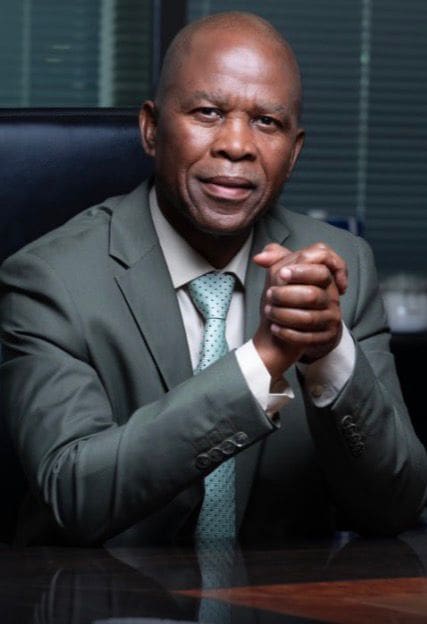
The Mining Qualifications Authority (MQA) has confirmed its commitment to advancing women in the mining sector, with a strong focus on leadership development and skills training across all levels of the industry.
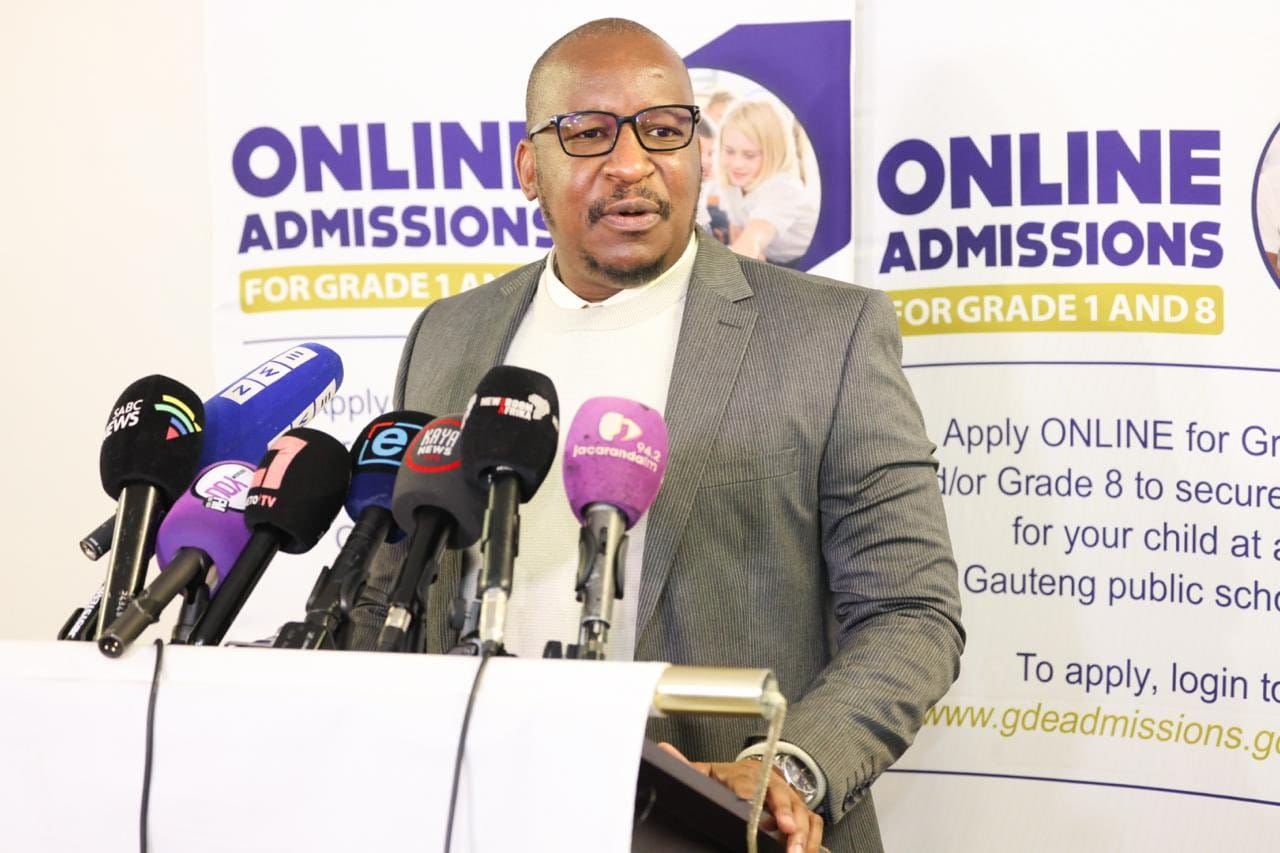
Speaking on women in mining leadership, MQA CEO, Dr Thato Mashongoane, told GLOBE POST that their mandate centres on developing the mining sector in an inclusive manner, ensuring that women are fully represented.
“Our mandate focuses on developing the mining sector in an inclusive manner, ensuring that women are fully represented. We provide various intervention programmes across all levels, from entry-level to senior positions – and women participate at each of these stages. We offer mining skills programmes specifically for women, covering artisans, TVET colleges and universities, and we support their progression up to managerial level,” said Mashongoane.
Dr Mashongoane also acknowledged that societal barriers remain a major challenge: “As part of the society MQA is operating within – which of course is South Africa – there are societal and cultural norms, values and beliefs that continue to impede the smooth movement into leadership, not only in the mining space but also in other sectors.”
He added that gender bias continues to shape perceptions in the industry. “Gender bias still exists. It is rare to see women going underground in mines, it is often assumed to be a role for men. Women are frequently perceived as weak for leadership positions, and in some instances, they are exploited by certain entities,” Mashongoane said.
To address these disparities, MQA conducts ongoing market intelligence research to better understand industry needs and trends.
Dr Mashongoane told GLOBE POST: “On an annual basis, we engage with all employers, together with the Department of Mineral Resources, to identify trends and needs within their respective spaces. This process allows us to analyse differences and emerging patterns across the various mining sectors. We then use the data collected to develop a Sector Skills Plan.”
According to Mashongoane, skills development for women in mining will be achieved by ensuring that graduates from tertiary institutions are properly equipped with the necessary knowledge and practical skills.
“This will go a long way in addressing why women are not employed in mines. We also implement employability interventions, including internships, mentoring and coaching, as well as work-integrated learning opportunities. After they qualify, we expose them to the real mining environment, which helps to build their confidence and further enhance their skills,” he said.
He further highlighted MQA’s specialised occupational health and safety programmes aimed at reducing accidents and creating safer working environments for women. “For women to be comfortable and accepted in mining leadership, we must expose them and involve them. Do not do it for them – let them learn to make things themselves,” he said.
Dr Mashongoane told GLOBE POST that currently, women make up approximately 20% of participation in the mining sector. MQA aims to increase this figure over the next five years.
“In terms of participation, women currently make up 20%. We aim to increase this to 25% or more. We want to see more women occupying leadership positions – giving them meaningful opportunities to participate and to lead alongside other women in the sector,” Mashongoane concluded.