
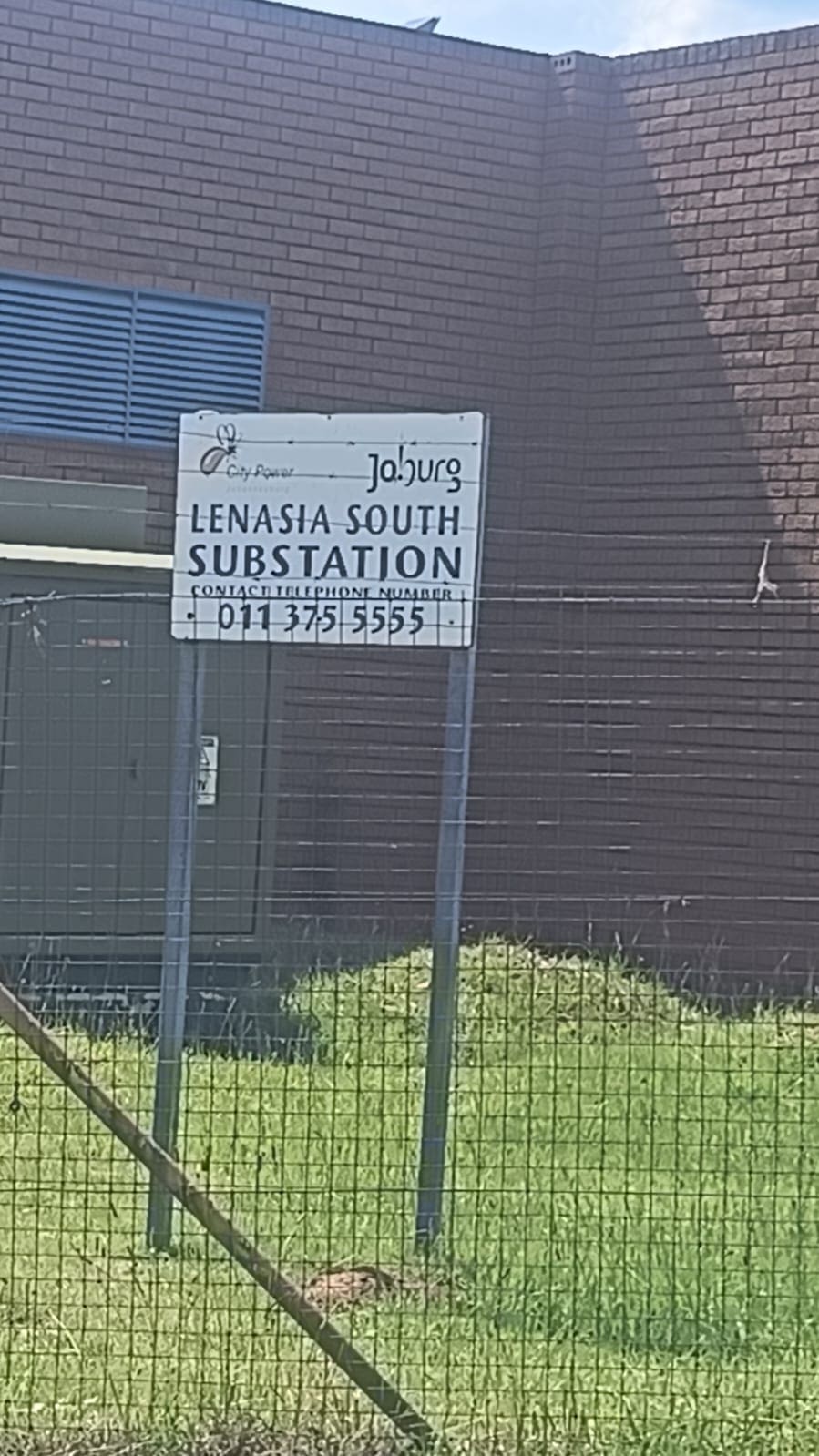
What began as a power outage just after 1am on Monday, 2 February, has escalated into a full-scale service delivery crisis in Lenasia South, exposing failing infrastructure, blurred accountability and a growing blame game between government entities.
More than 37 hours later, residents in Extensions 1, 2 and parts of Extension 4 – including areas from Sierra Nevada through Cosmos and Sheffield – remain without electricity and water, with no clear restoration timeline.
Ward 120 councillor, Puseletso Nzimande, told GLOBE POST that the outage originated on the Eskom side of the Lenasia South Substation following a late-night storm on Sunday. According to Nzimande, when City Power’s White City team attempted to restore electricity, they discovered that a transformer on the Eskom side had blown.
She said teams were expected to begin bypassing procedures on Tuesday morning to restore supply.
“When I last spoke to City Power, they were on their way to fix and restore. I have to wait for their responses to me and I am praying now because people are frustrated,” Nzimande said.
Since then, residents say communication has been inconsistent and often contradictory.
Adding to public frustration, the most recent update from the councillor indicated that access to the Eskom repair site was delayed due to a beehive at the affected pylon – a development residents say typifies the “endless explanations” offered during the outage.
Breaking update: City Power responds
We questioned City power on this matter. In a media response issued to GLOBE POST on Tuesday, 3 February, City Power confirmed that the fault does not lie on its electricity network but originates from Eskom’s infrastructure.
City Power’s spokesperson, Issac Mangena, told GLOBE POST that his teams were alerted to the outage on Monday morning after receiving a high volume of calls from residents in Lenasia South, including Extensions 1, 2, 3 and 4, as well as Daxina Hospital and surrounding areas.
“Initial assessments indicated that there was no fault on City Power’s electricity network. Further investigations confirmed that the fault originates from Eskom’s infrastructure,” he added.
Mangena added that Eskom has since deployed technical teams to the site and that restoration efforts are currently underway.
“The duration of the outage is attributable to the nature of the fault being located on Eskom’s network, which requires Eskom-led repairs before supply can be restored,” Mangena said.
No estimated time of restoration was provided.
Breaking update: Johannesburg Water responds
Johannesburg Water has confirmed that the ongoing power outage has directly affected water supply to parts of the Deep South, including Lenasia South.
Responding to GLOBE POST’s questions, Johannesburg Water confirmed that the Lenasia High Level Reservoir is in the worst condition, with pumping halted entirely due to the ongoing power outage.
The utility also warned that the Deep South water system is under severe strain due to high demand, system “tempering,” and illegal connections.
The statement said: ‘’Johannesburg Water said outlets are being closed overnight as part of its water demand management plan to allow reservoirs to recover. Supply levels vary across the region, with the Orange Farm, Lenasia Cosmos and Lenasia Hospital Hill reservoirs currently supplying fairly, while Ennerdale Reservoir is also supplying fairly but with poor pressure expected.’’
Water crisis deepens
The power outage has also crippled water pumping to the Lenasia High Level Reservoir, despite millions of rands having been invested in its upgrade – a point of major concern for residents who note that no backup generator is in place to mitigate power failures.
Ward committee member for infrastructure, Joy Govender, has assured residents that she is attempting to secure alternative water supply. She said JoJo tanks are expected to be installed along affected main streets around 4pm.
“Roaming water tankers are currently not available as they were deployed to other affected areas. The JoJo tanks are the best option so that residents returning from work can also access water,” Govender said.
Residents speak out
Anger has continued to boil over on community platforms, with residents describing the situation as untenable.
“This is absolutely ridiculous. Every update is a new story,” one resident said. ‘’ First it’s the storm, then a transformer, then bypassing, now a beehive. Meanwhile, we’re sitting with no power and no water.”
Another resident questioned the lack of contingency planning:
“How do you spend millions on a high-level reservoir and not install a generator? This isn’t an emergency – it’s negligence.”
Others expressed concern about the broader implications of repeated service delivery failures.
“Shops are closing, people are losing income, and we’re told to be patient while departments pass the blame,” another resident said.
Editor’s comment
At some point, these explanations stop sounding like updates and start reading like chapters from a bad novel. Storms, blown transformers, bypassing processes, beehives – each delay adds a new plot twist, but the ending remains the same: residents without basic services and no one clearly accountable.
This is not just about one outage in Lenasia South. It reflects the way this ward – and Gauteng more broadly – is being run: ageing infrastructure, no mitigation planning, fragmented communication and a constant shifting of responsibility. Residents do not need prayers, promises or stories. They need leadership that works, infrastructure that holds, and service delivery that treats people with dignity.
What is unfolding is not just frustrating – it is insanity.