
Globe Post
  • Login
Sunday, February 22, 2026
  • News
    • Local
    • National
    • World
  • Crime
  • Entertainment
  • Business
  • Sport
  • Politics
  • Health
No Result
View All Result
  • News
    • Local
    • National
    • World
  • Crime
  • Entertainment
  • Business
  • Sport
  • Politics
  • Health
No Result
View All Result
Globe Post
No Result
View All Result
Home Local

Indian South Africans mark 165 years while still confronting questions of identity, says Dr Ismail Vadi

by Viki Stuurman
November 28, 2025
in Local
0
Indian South Africans mark 165 years while still confronting questions of identity, says Dr Ismail Vadi
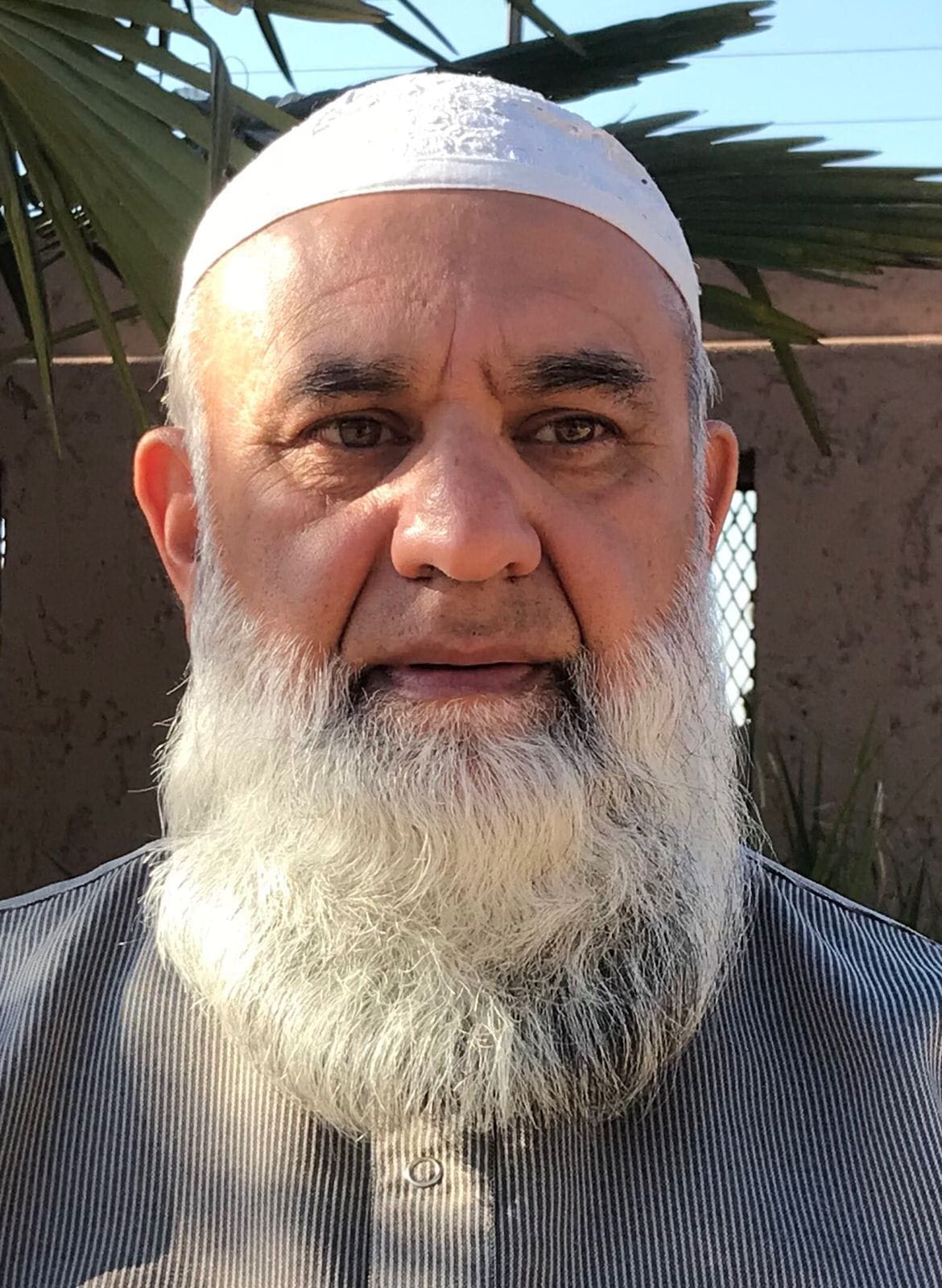
Former Gauteng MEC for Roads and Transport, Dr Ismail Vadi. (Image: Supplied.)

Former Gauteng MEC for Roads and Transport, Dr Ismail Vadi. (Image: Supplied.)

564
SHARES
1.6k
VIEWS
Share on FacebookShare on Twitter

As Indian South Africans celebrate 165 years of their presence in the country, former Gauteng MEC for Roads and Transport, Dr Ismail Vadi, says the community continues to grapple with deep, unresolved questions about identity – questions that stretch back to apartheid and remain relevant in modern South Africa.

Recalling his days as a history teacher under apartheid, Vadi said his Indian learners struggled to identify themselves as Africans, despite being born on the continent. “I would ask them, ‘In which continent were you born?’ They would say, ‘Africa.’ But when I followed with, ‘So you’re African?’ they insisted, ‘No Sir, we’re Indians,’” he said. That contradiction, he explained, “raised profound questions about our identity in apartheid South Africa.”

More than 45 years since that classroom debate, Vadi believes the dilemma persists. “Indian South Africans have not fully grappled with questions of their identity in a rapidly changing society,” he said. This includes how others perceive them – from political leaders like Julius Malema to everyday working-class South Africans.

Vadi emphasised that Indian South Africans came to the country not as settlers seeking privilege, but as labourers and enslaved people. The first Indians arrived at the Cape as captured slaves, brought by Dutch colonists. Later, in the 19th century, thousands arrived as indentured labourers to work on sugarcane plantations, coal mines, railways and in domestic service. Others came as traders, merchants and professionals, hoping to build a life in “Afrika.”

For decades, they endured harsh colonial rule, racial segregation under the Union Government, and full-blown apartheid after 1948. Only in 1994 was their “human dignity and freedom restored. Yet theirs is also a story of resilience. “We were not passive victims of a racially unjust social order,” Vadi wrote.

The community’s resistance history includes:

Gandhi’s satyagraha, which pioneered non-violent resistance in South Africa; Radical Indian unionism, where workers organised against exploitation, Political mobilisation under the Natal Indian Congress (NIC) and the Transvaal Indian Congress (TIC), Heroic leadership from figures such as Dr Yusuf Dadoo and Dr Monty Naicker, who built non-racial alliances and fought apartheid alongside other liberation movements.

Vadi described the community’s heritage as a “pleasing inheritance” of religious, educational, cultural, artistic and business institutions that uplifted generations.

Vadi argued that “Indian identity” in South Africa was largely constructed by apartheid policies. “By being classified as ‘Indian,’ placed in Indian Group Areas, restricted to Indian schools, and even barred from swimming freely in the Indian Ocean, we developed an embroidered consciousness of racial identity,” he said. Today, the community remains diverse – religiously, linguistically, culturally and economically. Class divisions between professionals and the working class have widened, and global conflicts have fuelled inward-looking, sectarian identities. “We are no longer as cohesive a community as we were under apartheid,” Vadi noted.

Vadi believes the path forward requires embracing a multi-layered identity. “Each of us carries more than one dominant identity. An Indian South African can be African, a patriot, culturally Indian, and part of a global community all at once,” he said.

He calls for the community to strengthen its African and South African identities while honouring its Indian cultural inheritance. “We should not pursue a narrow, exclusivist ethnic identity,” he warned.

Instead, he hopes the next generation will proudly embrace a broader sense of belonging. “In the not-too-distant future, our progeny should be able to say: I am an African; a South African patriot with an Indian heritage that holds human value and beauty for all,” Vadi concluded.

Tags: City of JohannesburgDr Ismail VadiGLOBE POSTIndian South African Mark 165 yearsLenasia South
Share226Tweet141
Viki Stuurman

Viki Stuurman

Viki Stuurman is a two-time Journalism and Media Studies graduate with an Honours degree in Journalism and Media Studies. With over two years of experience working as a field journalist, I have developed strong skills in reporting, storytelling, and wonderful interviewing tactics. My passion lies in producing accurate, impactful, and insightful news stories that informs, educates and empowers the public.

  • Trending
  • Comments
  • Latest
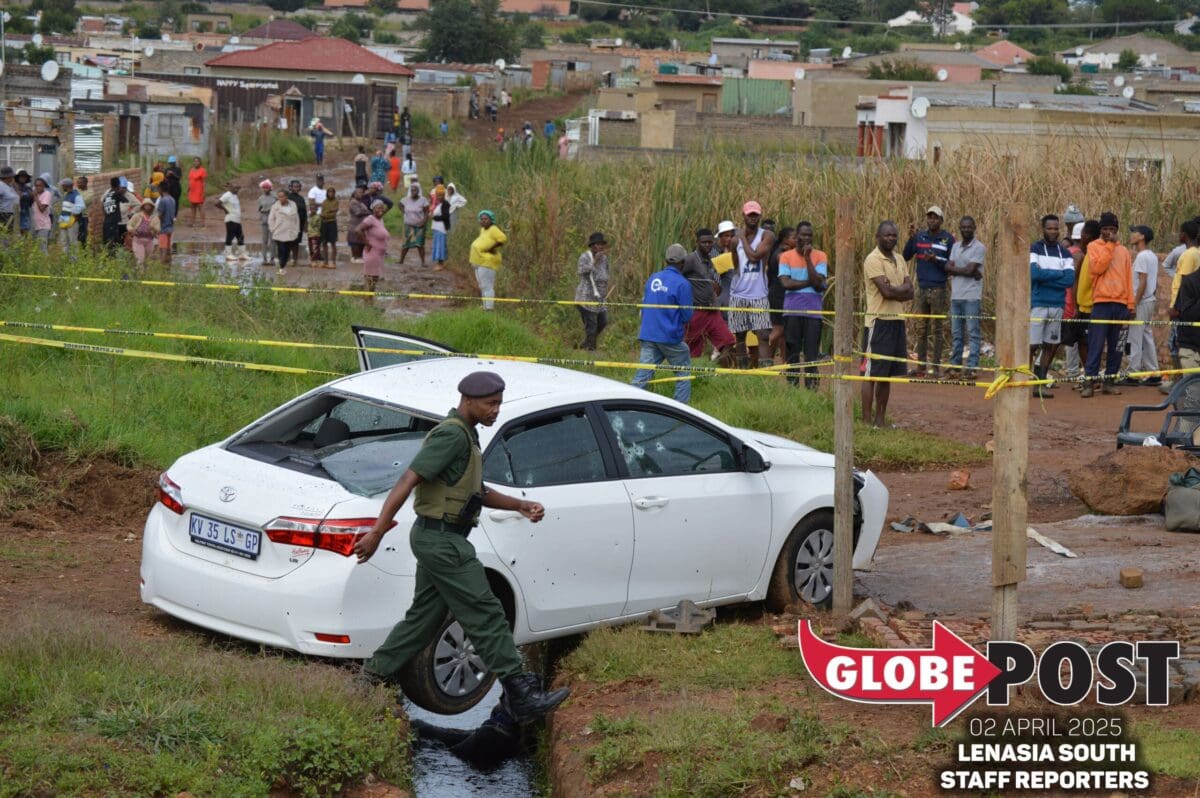
Bloodshed on K43: Suspected taxi war claims several lives in Lenasia South

Bloodshed on K43: Suspected taxi war claims several lives in Lenasia South

April 2, 2025
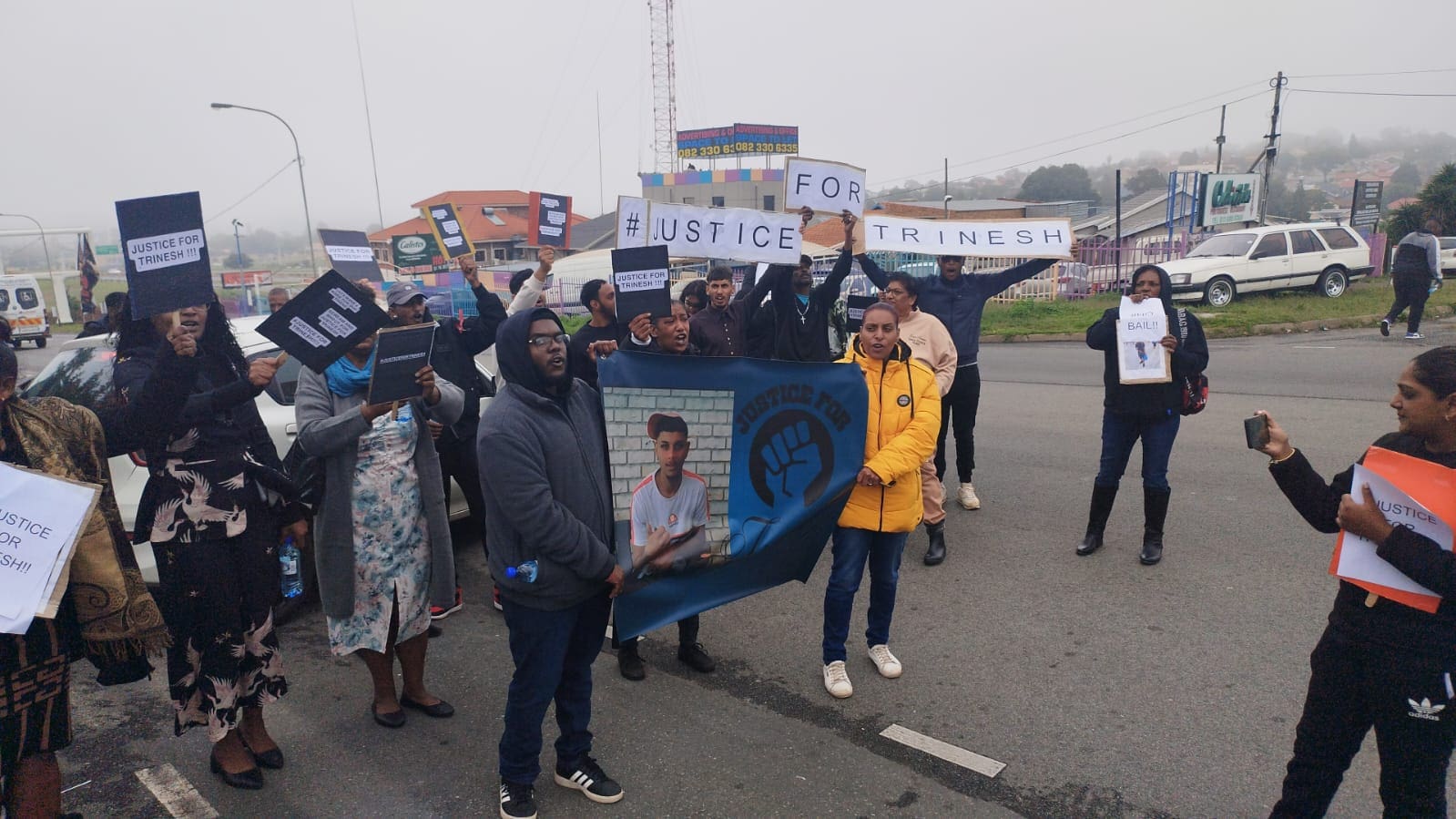
Ballbreakers Tragedy: Lenasia South teens stabbed—one dead, one fighting for life, suspect appears in court

Ballbreakers Tragedy: Lenasia South teens stabbed—one dead, one fighting for life, suspect appears in court

April 9, 2025
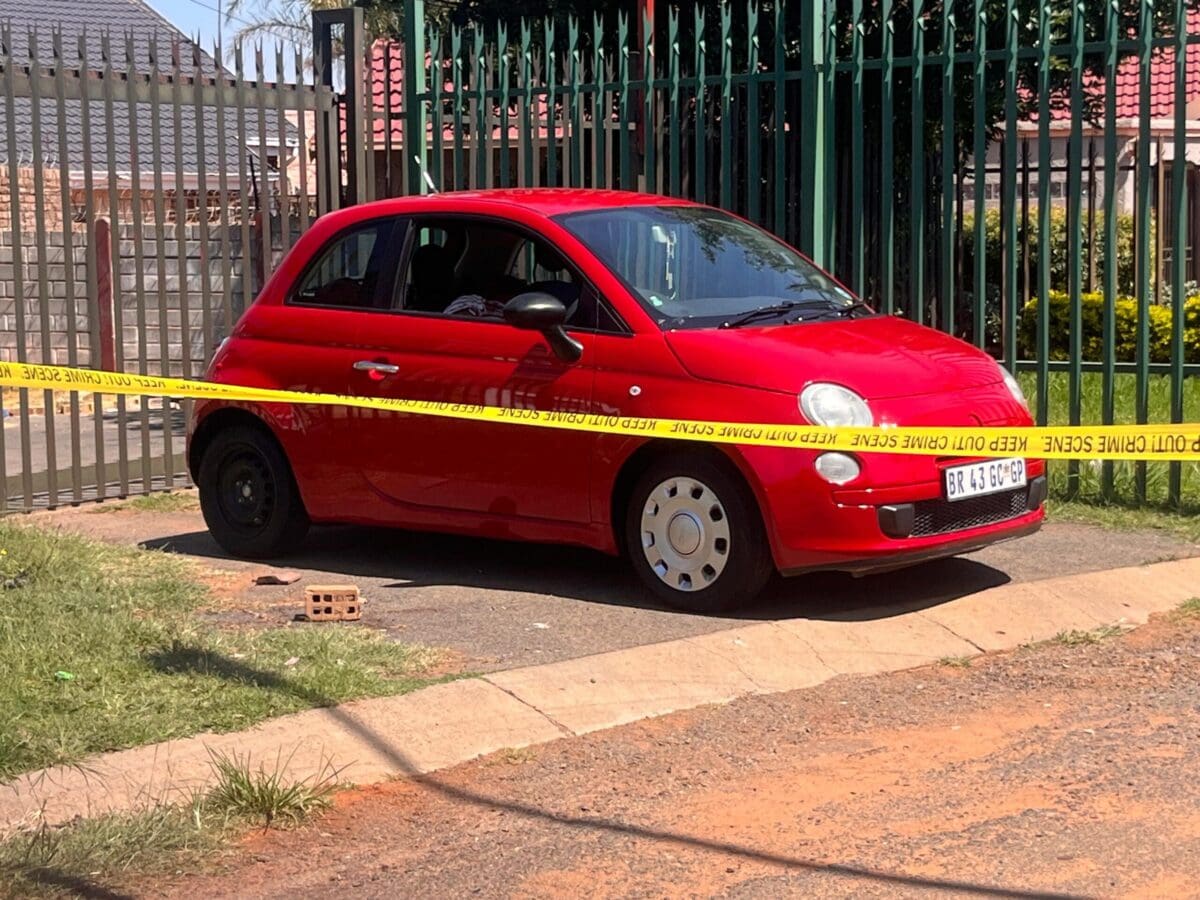
Breaking: Man shot in broad daylight in Lenasia South

Breaking: Man shot in broad daylight in Lenasia South

January 24, 2025
Ballbreakers Tragedy: Lenasia South teens stabbed—one dead, one fighting for life, suspect appears in court

Ballbreakers Tragedy: Lenasia South teens stabbed—one dead, one fighting for life, suspect appears in court

12
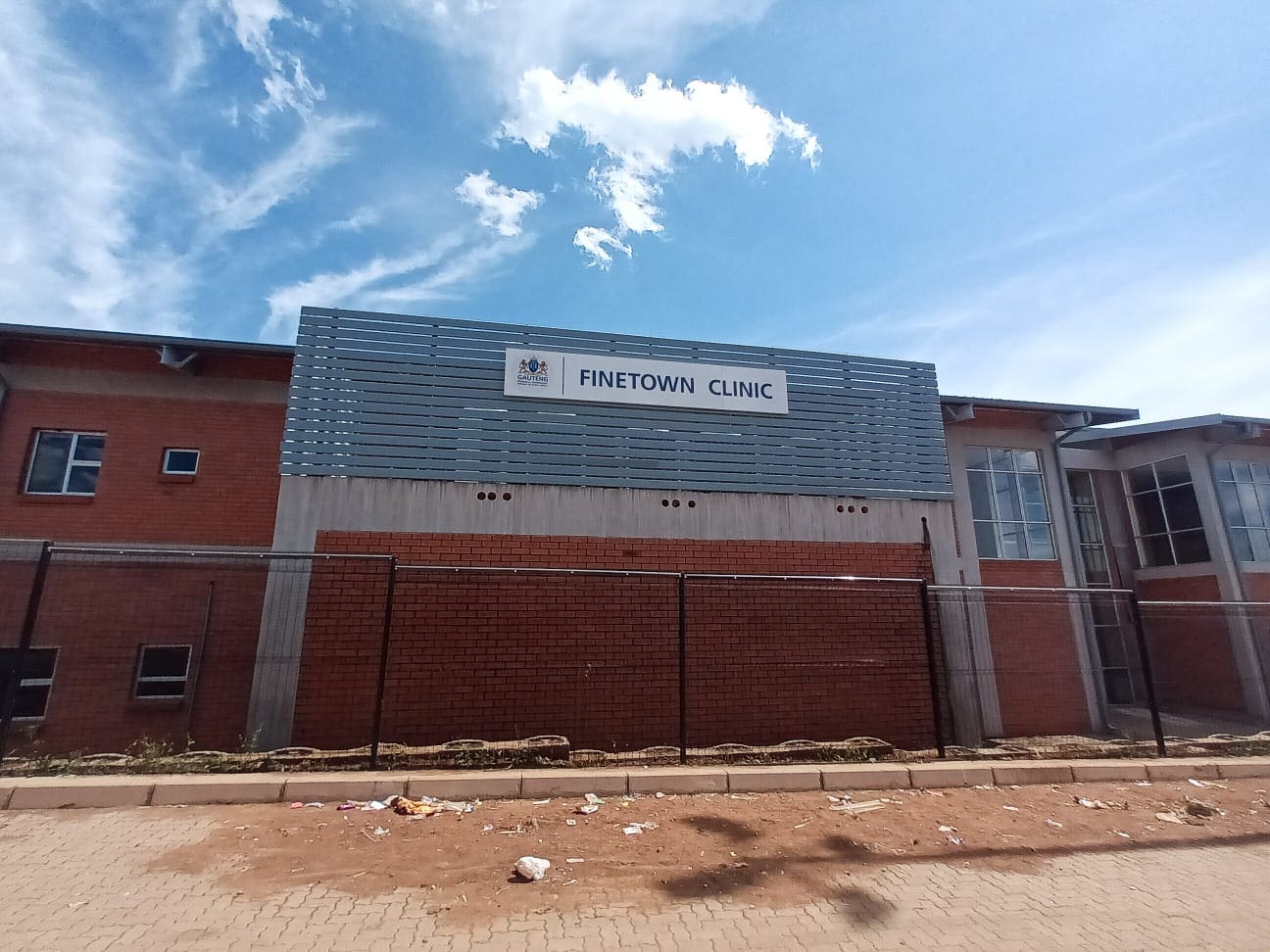
Finetown Clinic Update: Delays continue as Certificate of Occupancy remains outstanding

Lenasia South Hospital’s Chronic Clinic moves to Finetown Clinic

10
GDE opens 2025 Online Admissions for Grade 1 and 8 learners

GDE opens 2025 Online Admissions for Grade 1 and 8 learners

7
Lawley residents conduct prayer walk against crime and violence

Lawley residents conduct prayer walk against crime and violence

February 20, 2026
JMPD confiscates tyres from illegal traders in Lenasia South

JMPD confiscates tyres from illegal traders in Lenasia South

February 19, 2026
Vehicle stolen in Ennerdale recovered in Alexandra, suspect nabbed in Lenasia

Vehicle stolen in Ennerdale recovered in Alexandra, suspect nabbed in Lenasia

February 19, 2026
November 2025
M T W T F S S
 12
3456789
10111213141516
17181920212223
24252627282930
« Oct   Dec »

Categories

  • Business
  • Crime
  • Current Issues
  • Entertainment
  • Environment
  • Health
  • Local
  • National
  • Opinion
  • Politics
  • Sport
  • Uncategorized
  • World

We tell honest grassroot stories that
heal & uplift the lives of 3M+ people in our communies

128 Starling Rd, Lenasia South, Johannesburg, 1829

+27 11 850 1160

+27 10 230 0038

Pages

  • About Us
  • Crime and Safety
  • Entertainment
  • Sports
  • Politics

Advertising

  • Advertise on our platforms
  • Privacy Policies
  • Classifieds
  • FAQ

Newsletter

Subscribe to our Newsletter to be updated. We promise not to spam.

Subscribe

Copyright © 1992 Globe Post. All Rights Reserved

No Result
View All Result
  • News
    • Local
    • National
    • World
  • Crime
  • Entertainment
  • Business
  • Sport
  • Politics
  • Health

Copyright © 2017 JNews.