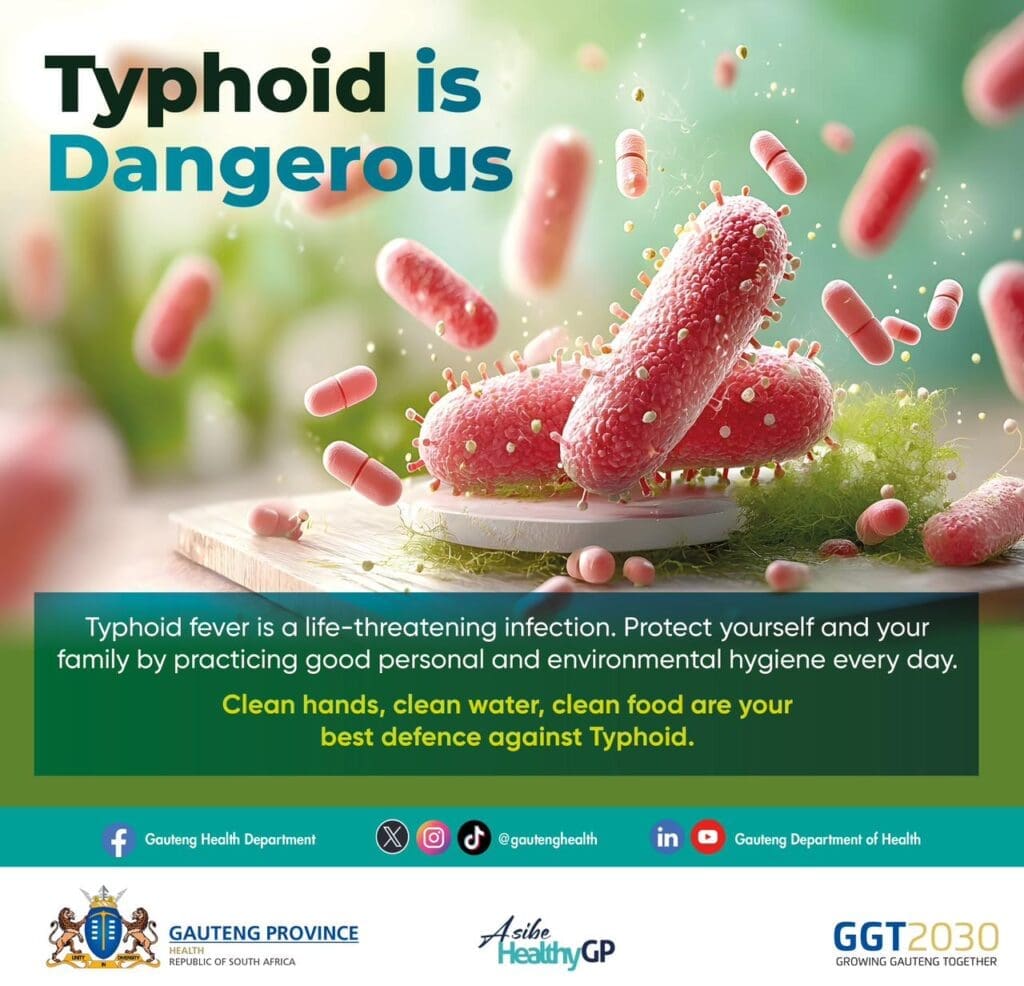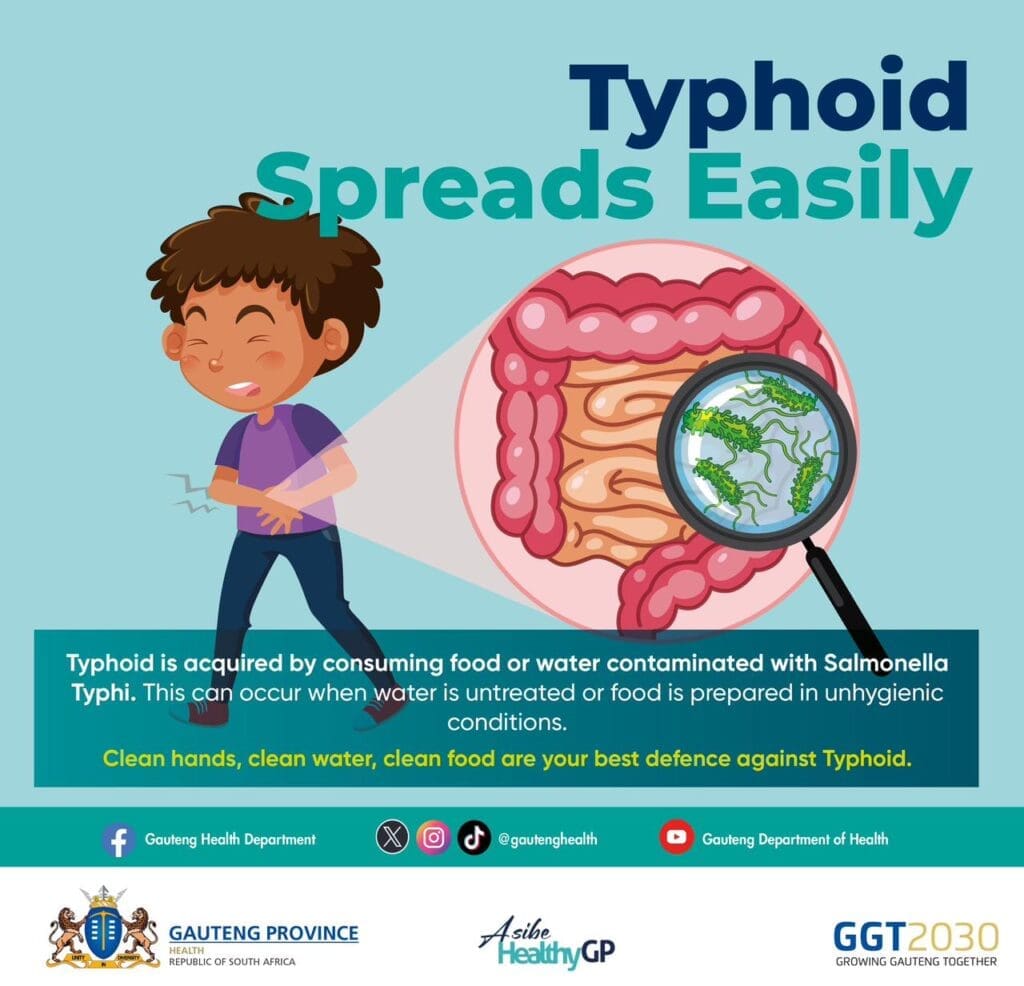

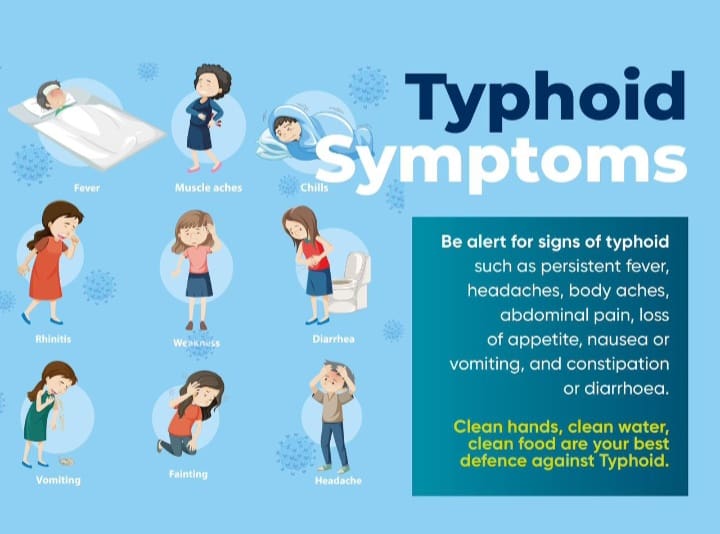
What is Typhoid Fever? Typhoid fever is caused by the bacterium Salmonella enterica serotype Typhi, and sometimes related strains such as Paratyphi. It spreads through the fecal–oral route, usually via contaminated food or water. Common symptoms include prolonged high fever, headache, abdominal pain, nausea or vomiting, diarrhea or constipation, and occasionally rose-coloured spots on the skin. Without treatment, typhoid fever can become serious or even life-threatening. It is treatable with antibiotics, although growing antibiotic resistance is a concern.
In South Africa, typhoid fever is a notifiable disease, meaning health authorities monitor and track all confirmed cases because of its potential to cause outbreaks.
Typhoid Fever in Johannesburg and Gauteng: According to 2025 data from the National Institute for Communicable Diseases (NICD), Gauteng accounts for a significant portion of confirmed enteric fever cases. Within the province, the City of Johannesburg has reported 17 confirmed cases from January to October 2025. Most recent cases, however, have occurred in Tshwane, including areas such as Hammanskraal and Bronkhorstspruit.
Gauteng Health is urging the public to remain alert for symptoms and to practice proper hygiene. Health authorities are currently investigating the source of infections. Recent drinking-water tests in Tshwane have not detected Salmonella Typhi, suggesting that the piped water supply may not be the source. However, because the exact source has not yet been confirmed, the public is advised to avoid untreated water from unverified boreholes, streams, or rivers.
The Gauteng Department of Health is intensifying awareness campaigns, urging communities to wash hands regularly, store water safely, and seek medical care immediately if symptoms appear. According to reports, most of the recent patients have recovered.
Risk Factors and Why It’s Happening: Typhoid fever typically thrives in areas with poor sanitation, compromised water quality, and inconsistent or disrupted water supply. Although municipal water tests in affected areas have not shown S. Typhi contamination, other factors such as poor hygiene practices, contaminated food, or intermittent water supply may still play a role.
Previous concerns raised by water and sanitation authorities about supply challenges in certain Gauteng communities also remain relevant.
Treatment and Antibiotic Resistance: Public-sector surveillance data from 2020 to 2023 shows that most typhoid isolates remain highly susceptible to azithromycin, with over 98% effectiveness; however, there is decreasing susceptibility to older antibiotics like chloramphenicol. The currently recommended treatment for uncomplicated enteric fever is ciprofloxacin, although resistance trends are being closely monitored.
Prevention:
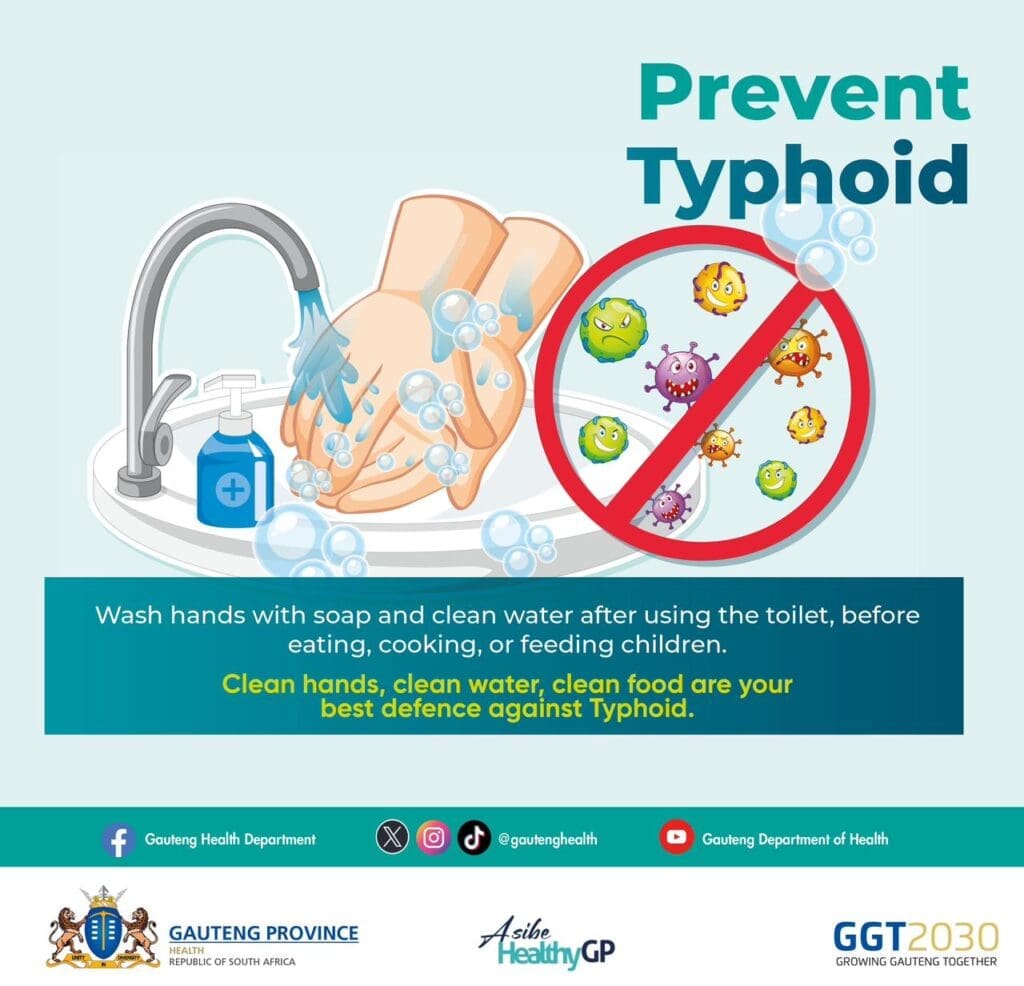
What you can do: Residents in Johannesburg, Tshwane, or any area at risk are advised to maintain good hygiene by washing hands frequently with soap and clean water, especially before cooking or eating and after using the bathroom; to use treated or boiled water for drinking and cooking, avoiding unverified water sources; to exercise caution with street food and ensure all meals are cooked thoroughly; to seek medical care promptly if experiencing symptoms such as fever, abdominal pain, nausea, or diarrhea, as early diagnosis and treatment are essential; and to support local health authorities and community groups in running hygiene and water-safety campaigns.
Summary /current situation: Typhoid fever remains a risk in Gauteng, with confirmed cases reported. The outbreak appears to be more concentrated in Tshwane, although Johannesburg requires continued vigilance. Health authorities are actively managing cases, and most affected individuals are recovering. The source of the infection has not yet been confirmed, but water tests have not detected S. Typhi in municipal supplies. Maintaining strong hygiene practices and using safe water remain the most effective preventive measures.