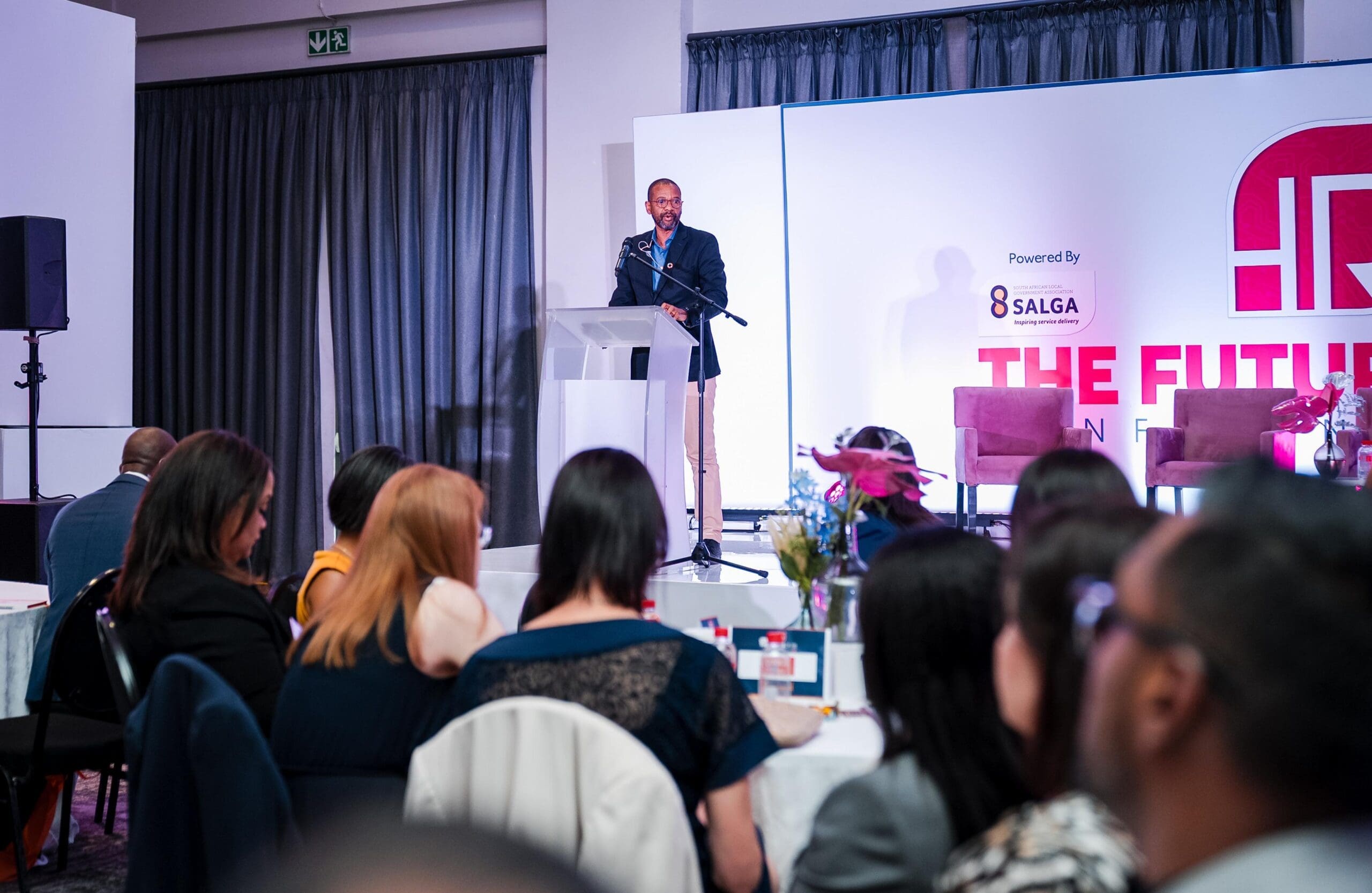
The Future of HR Conference 2026 brought business leaders, human resources professionals and industry experts together at the Indaba Hotel in Johannesburg on Wednesday, 14 October, for a day of discussions on youth employment, artificial intelligence (AI) and the changing world of work.
Hosted by Topco Media, a partner to Xenor Projects, the two-day conference, held in collaboration with the South African Local Government Association (SALGA), runs from 14 to 15 October under the theme HR Without Boundaries: Connecting Capable People, Performance Enabling Technology and National Progress. The event created a platform for organisations to explore practical ways of developing talent, embracing technology and creating more inclusive workplaces.
One of the key issues highlighted during the first day was the importance of creating meaningful employment opportunities for young South Africans. Speaking to Globe Post at the event, Mbali Ntshangase, a representative of the Dis-Chem committee, highlighted the company’s commitment to supporting youth employment, particularly within local communities. Her remarks reinforced the importance of businesses investing in young talent and creating opportunities for those struggling to enter the workforce.
The conference programme also featured discussions on how AI is changing entry-level jobs and how employers can adapt recruitment and skills development to prepare young people for the future.Technology was another major focus, with discussions exploring how AI, automation and workforce analytics can help organisations improve productivity and make better decisions.

Employee wellbeing also formed part of the programme, with Dis-Chem representatives contributing to conversations around health, belonging and professional growth. The discussions highlighted the need for companies to balance technological innovation with employee development and support.Beyond the corporate sector, the conference explored the role of human resources in strengthening municipal services, promoting ethical leadership and improving accountability. SALGA’s involvement connected workplace transformation to broader challenges facing communities, including public service delivery and skills development. The event also provided networking opportunities for businesses and professionals to exchange ideas and explore potential partnerships.
With the first day completed, attention now turns to the conference’s second day on Thursday, 15 October, featuring further discussions on leadership, AI governance, skills development and public-private partnerships. The conference has highlighted an important message: South Africa’s workplace future depends not only on technology, but also on investing in people. For young South Africans seeking employment, the real impact will be measured by how businesses turn these discussions into practical opportunities.