By Sheron Mathlatse Masekoameng and Thami Wendy Moropa, Research Interns at UNISA’s Institute for Social and Health Sciences
Picture: Supplied
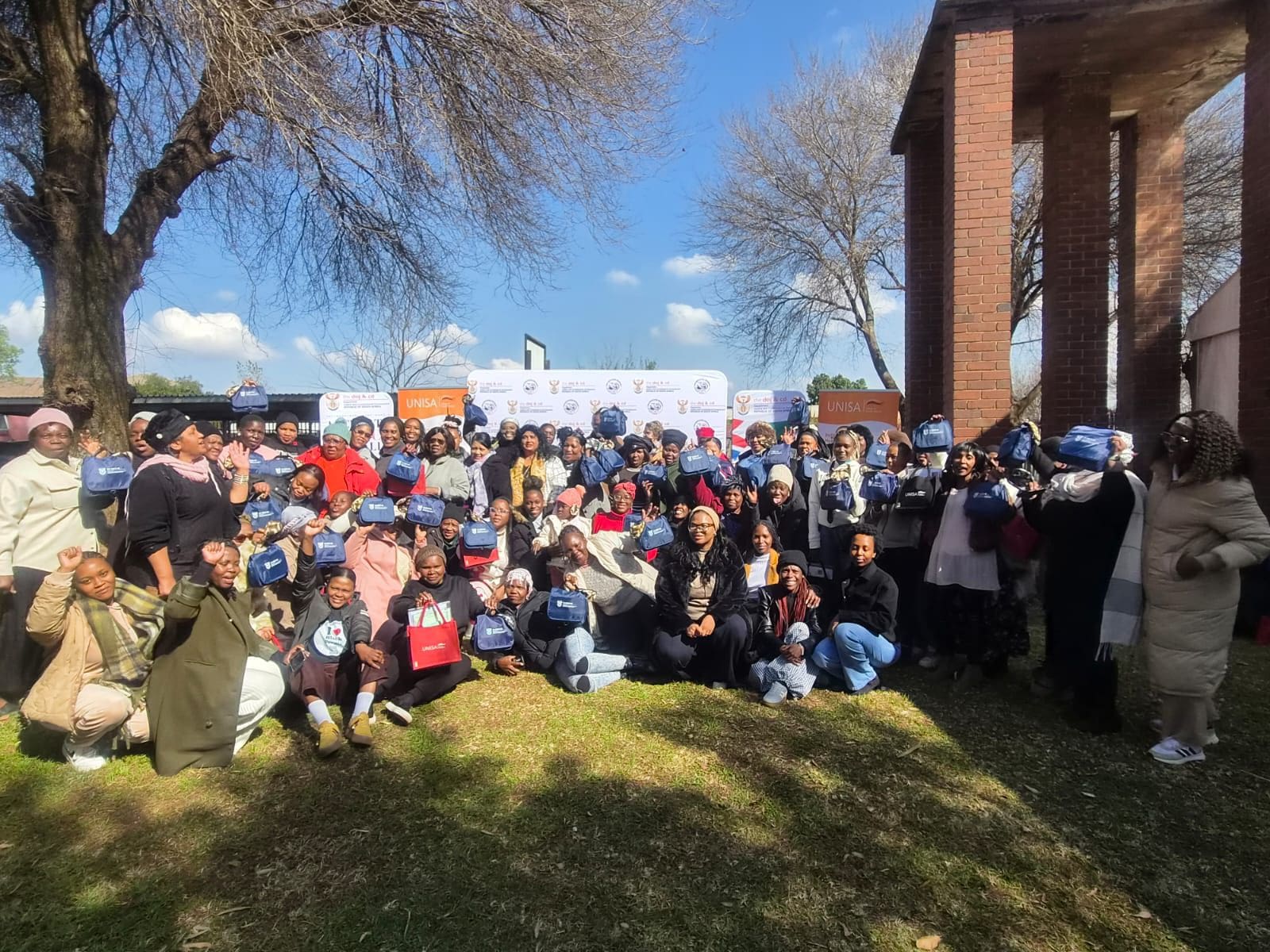
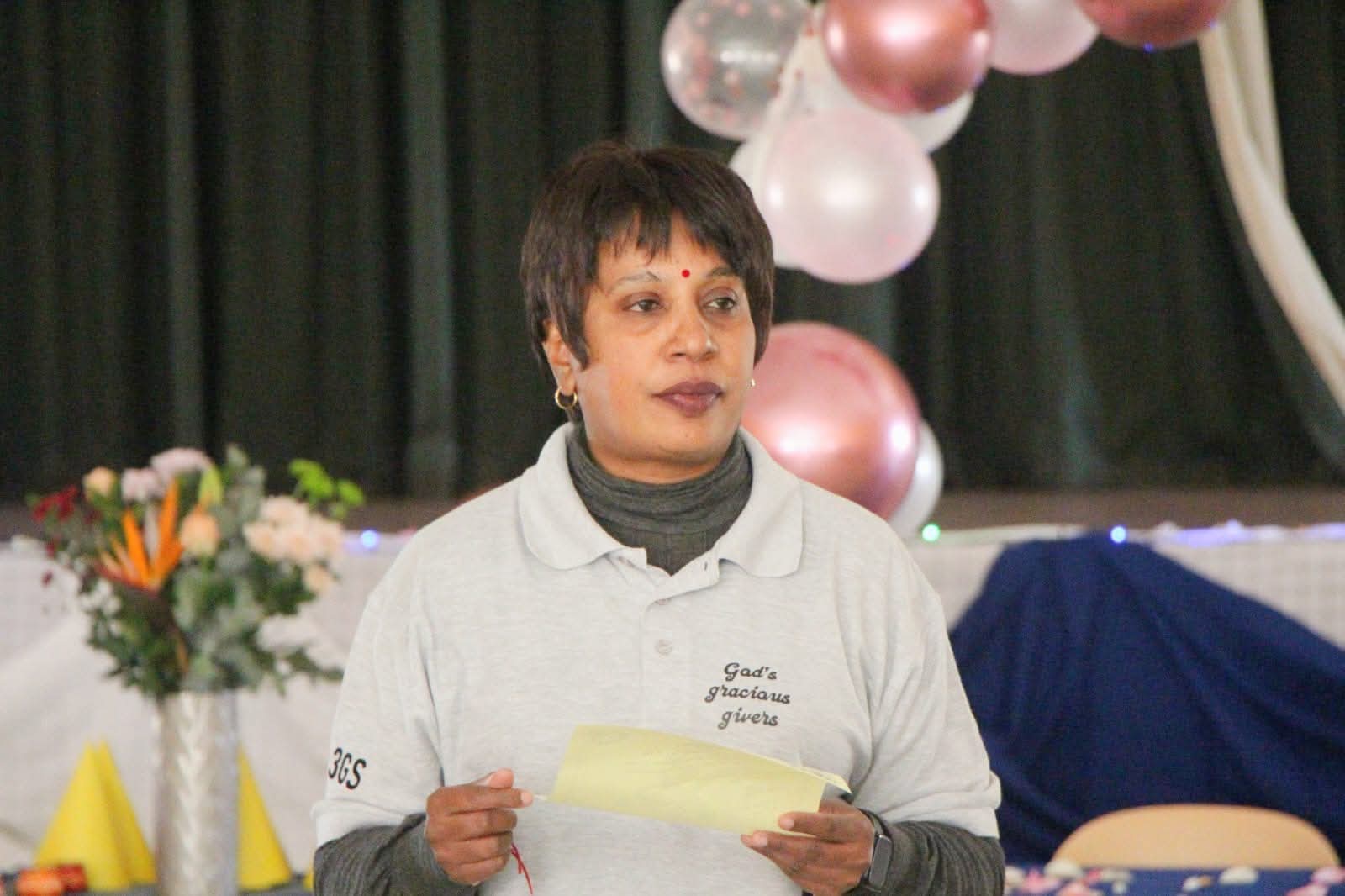
Women from Lenasia and surrounding communities gathered on 13 August 2026 for the fifth annual Shaping Our Futures Women’s Day Community Event, where conversations centred on leadership, justice, resilience and the responsibility of shaping a better future for the next generation.
Hosted by UNISA’s Institute for Social and Health Sciences (ISHS) in collaboration with Imbumba Yabafazi, a women-led organisation focused on community building in Gauteng Region G, the event was supported by the Department of Justice and Constitutional Development. It formed part of ongoing efforts to create spaces where women can connect, share their experiences and engage openly on challenges affecting families and communities.
Held under the theme “Shaping Our Future V: Inspired by the Women of Yesteryear – Resilience, Dignity, Leadership and Justice,” the gathering encouraged participants to look beyond simply commemorating the historic Women’s March of 1956. Instead, women were challenged to consider what the sacrifices of those who marched to the Union Buildings mean for society 70 years later and what kind of legacy today’s generation will leave behind.
A key part of the discussion focused on raising resilient, responsible and independent young people. Participants reflected on how the women of 1956 fought not only for themselves, but also for generations that would follow. Seven decades later, that legacy carries with it a responsibility to prepare children and young people to face modern challenges with confidence, discipline and a sense of purpose.
Parents and caregivers were encouraged to allow children to take responsibility for age-appropriate tasks, make decisions and learn from mistakes. Simple everyday responsibilities, such as making their own beds, managing homework and following routines, were highlighted as opportunities to build independence and accountability.
The discussion stressed that resilience develops when young people learn that difficult experiences can be overcome. Adults were encouraged to create environments where children can make mistakes, learn from them and continue growing without allowing setbacks to define their sense of worth.
Bullying was another major concern raised during the gathering. Speakers highlighted the different forms bullying can take, including verbal, physical and online harassment, as well as the serious emotional harm it can cause. Parents and communities were urged not to dismiss bullying as a normal part of growing up, but to recognise warning signs, address harmful behaviour and support those affected.
The conversation also extended beyond schools, with participants acknowledging that adult women can experience intimidation, insults, threats and online attacks, including from other women. This prompted reflection on whether communities are building the solidarity and support networks that previous generations of women fought to strengthen.
Domestic violence and gender-based violence were also placed firmly on the agenda, with Advocate Mulalo Netshisaulu unpacking some of the realities that make it difficult for women to leave abusive relationships. He spoke about financial dependence, concerns over children and fears surrounding the loss or division of assets as some of the factors that can prevent women from pursuing legal protection or leaving abusive situations. “Many women remain trapped in abusive relationships because of financial dependence, fear of losing support and concerns about what will happen to their children or assets if they leave. Communities also have a responsibility to speak out, report abuse and ensure that victims know where to seek protection and legal assistance,” said Netshisaulu.
He also explained the cycle of abuse, where harmful behaviour may be followed by apologies or temporary periods of calm while the underlying problems remain unresolved. The discussion emphasised that abuse can escalate when it is not addressed and that women need clear, accessible information about the legal options available to them. Participants were given practical guidance on applying for protection orders and the steps that can be taken when those orders are violated. Changes to legislation addressing gender-based violence were also discussed, particularly the greater responsibility placed on communities to report abuse and move away from a culture in which people remain silent when they know that someone may be in danger.
The value of the discussion was reflected in questions from community members, who called on the Department of Justice and Constitutional Development to conduct more awareness campaigns explaining the law and procedures for reporting cases. One participant shared that she had previously struggled to know where to seek assistance after learning about the abuse of a child in her community. Another raised concerns about how members of the public can report officials suspected of corruption or misconduct.
These concerns highlighted an important reality: justice is not only about having laws in place. Communities must also understand how those laws work, know where to seek assistance and have confidence in the institutions responsible for protecting them. The conversation also turned towards South Africa’s continued struggle with gender-based violence and femicide. Participants reflected on the uncomfortable reality that progress in law and policy does not always translate into safety and dignity in women’s everyday lives.
Women were encouraged to examine inherited cultural practices, social attitudes and gender expectations that may continue to contribute to inequality or silence around abuse. The discussion stressed that building a future rooted in dignity, leadership and justice requires communities to question harmful norms instead of passing them unquestioned from one generation to the next. One of the strongest elements of the event was its intergenerational character. Older women brought experience, memory and lessons from the past, while younger participants contributed new perspectives, ideas and energy. Together, the discussions demonstrated that shaping the future requires both an understanding of history and the willingness to find new solutions to contemporary challenges.
As South Africa marks 70 years since the historic Women’s March, the gathering served as a reminder that honouring the women of 1956 requires more than remembering their courage. Their legacy must also be reflected in the actions communities take today to challenge injustice, protect vulnerable people and prepare future generations to lead with resilience and dignity. The question, participants reflected, is no longer only what the women of 1956 fought for, but what today’s generation is prepared to fight for and protect. The lessons, values and opportunities passed down today will determine the society future generations inherit.
The future is already being shaped, and the responsibility belongs to everyone.


Leave a Reply