

By: SAPS
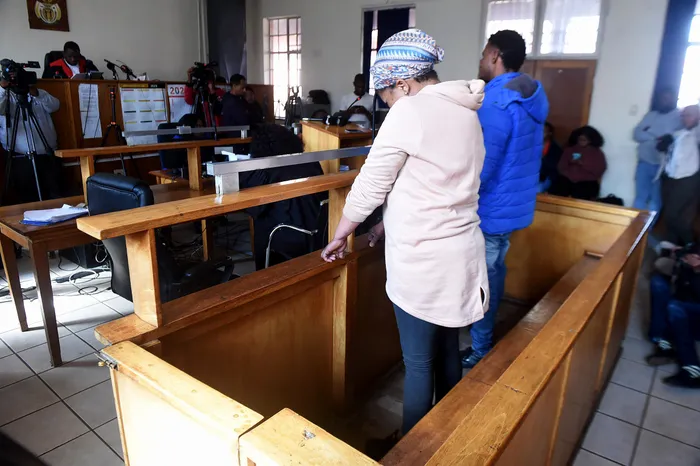
Picture: SABC
The South African Police Service (SAPS) has confirmed the dismissal of Major General Feroz Khan from the organisation following disciplinary proceedings conducted in terms of the SAPS Discipline Regulations. The police service said the decision followed Khan’s failure to appear before the designated senior officer tasked with handling the expeditious disciplinary process.
According to SAPS, Khan was deemed dismissed in terms of Regulation 9(7)(b) of the SAPS Discipline Regulations. The provision forms part of the internal disciplinary framework governing members of the police service and allows SAPS to deal with disciplinary matters where required procedures are not complied with. In Khan’s case, SAPS said his failure to appear before the designated senior officer resulted in the regulation being invoked.
The police service has emphasised that disciplinary procedures apply to all members, regardless of seniority, rank or position within the organisation. SAPS said maintaining discipline among its members remains an important part of ensuring professionalism, accountability and public confidence in the country’s policing structures. “SAPS reiterates its commitment to accountability, discipline and professional conduct within the organisation. No member, regardless of rank or position, is above the law or the applicable disciplinary framework,” the police service said.
The dismissal of a major general is significant because officers at that level occupy senior leadership positions within SAPS and carry substantial responsibilities within the organisation. SAPS has, however, made it clear that seniority does not place any member outside the organisation’s disciplinary processes and that members are expected to comply with the rules and procedures governing the Service. The police service said its disciplinary framework is intended to ensure that allegations or concerns relating to the conduct of members are handled through established procedures. This includes ensuring that members are given an opportunity to participate in disciplinary processes while also requiring them to comply with instructions and appearances associated with those proceedings.
SAPS also acknowledged that Khan’s matter has been the subject of legal proceedings, adding another dimension to the disciplinary process. The organisation said it would continue to respect the judicial process and comply with decisions made by the courts as the matter progresses through the appropriate legal channels.
Because of the legal proceedings surrounding the matter, SAPS indicated that there are limits to the information it can make publicly available at this stage. The police service said further details would be communicated only where it is legally permissible to do so, particularly where disclosure could interfere with or prejudice ongoing legal processes. The confirmation of Khan’s dismissal also reinforces SAPS’s stated position that disciplinary action should be applied consistently throughout the organisation. Members entrusted with policing responsibilities are expected to conduct themselves in accordance with both the law and the internal regulations governing their employment and professional conduct.
SAPS maintains that accountability within its own ranks is necessary to protect the integrity of the police service and ensure that members of the public can have confidence in those entrusted with enforcing the law. The organisation has reiterated that its disciplinary regulations remain applicable to every member of the Service, irrespective of status or seniority.
While SAPS has not provided further details regarding the circumstances surrounding the disciplinary process beyond Khan’s failure to appear before the designated senior officer, it has confirmed that the dismissal has taken effect in accordance with the relevant regulations. The police service said it would continue to abide by any court decisions relating to the matter and provide additional information should circumstances and legal considerations allow.






Leave a Reply