
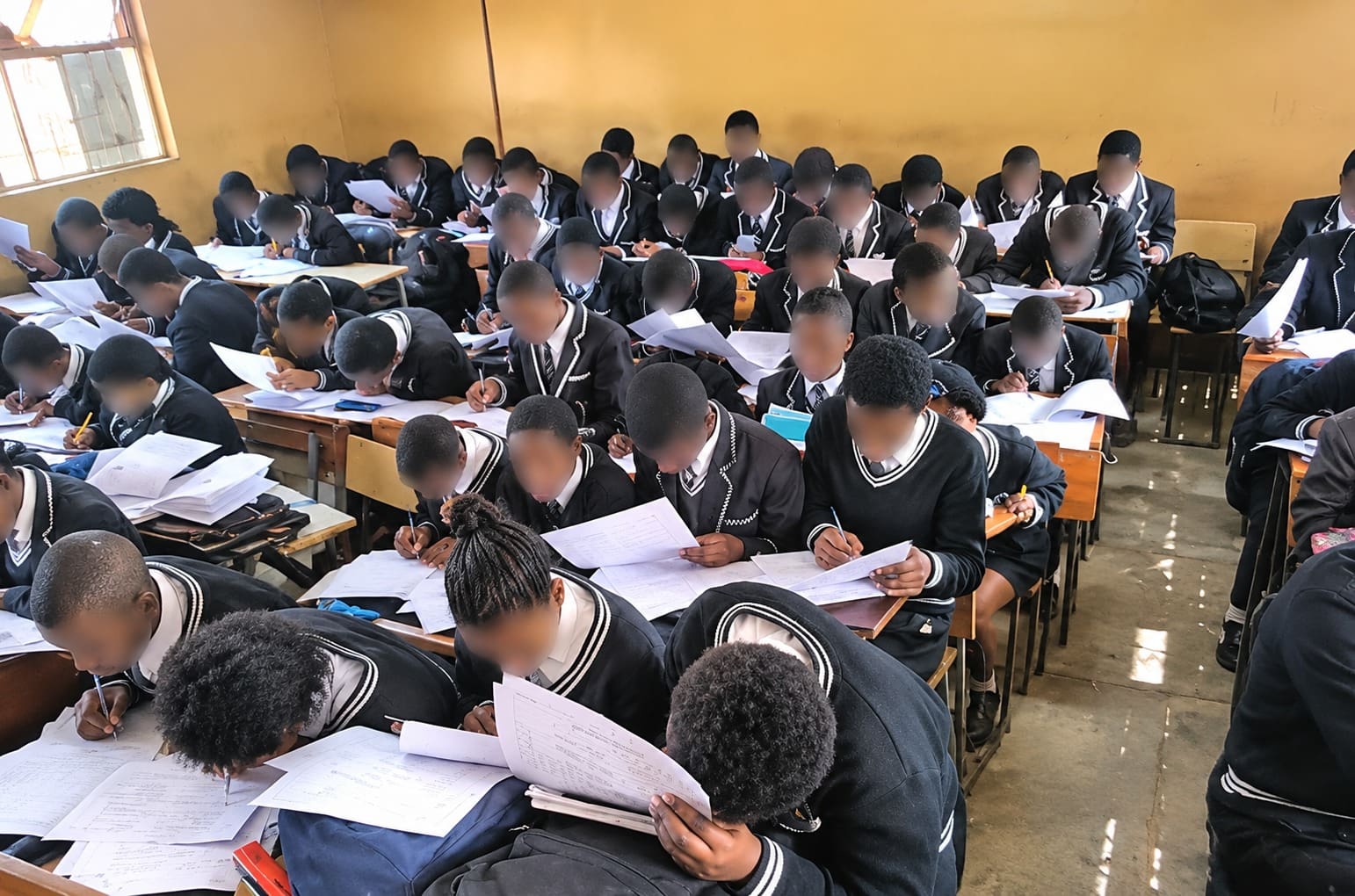
The South African Human Rights Commission (SAHRC) has raised serious concerns about conditions in public schools across the country, citing unsafe infrastructure, overcrowded classrooms, inadequate sanitation and insufficient support for vulnerable learners.
The findings are contained in the Commission’s 2026 State of South African Schools Report, launched on Monday, 23 November, following monitoring visits to more than 170 public schools across all nine provinces. The investigation found that recurring infrastructure and administrative challenges continue to undermine learners’ constitutional right to basic education.
Among the most concerning findings was a Grade 8 classroom at Adolf Mhinga Secondary School in Limpopo, where 101 learners were reportedly accommodated in a single classroom. At Van Coller Primary School in the Eastern Cape, only two of the school’s 30 toilets were functional, while some schools continued to use unsafe buildings, including structures containing asbestos. The report also highlighted persistent water shortages, inadequate classroom furniture, teacher vacancies and security concerns.
Learners requiring specialised educational support were also found to face significant barriers. In some provinces, assessments and referrals for learners with special educational needs reportedly took between six months and three years. The Commission warned that these delays leave vulnerable learners without the necessary assistance and undermine efforts to provide inclusive education. In response to the findings, the SAHRC has called on the national Department of Basic Education to submit a detailed response within 60 days, outlining immediate interventions and longer-term measures to address the identified shortcomings.
Provincial education departments have also been instructed to develop annual service improvement plans and submit them to the Commission by 26 February 2027. Among the recommended interventions are urgent repairs to unsafe school buildings, the replacement of asbestos-containing structures, the eradication of pit latrines, improved sanitation facilities and measures to address overcrowding.
The Commission has also called for improved accountability, better coordination between government departments and faster assessment and placement processes for learners requiring specialised support. The SAHRC said it would continue monitoring progress to ensure that the identified challenges translate into measurable improvements in school conditions.



Leave a Reply