
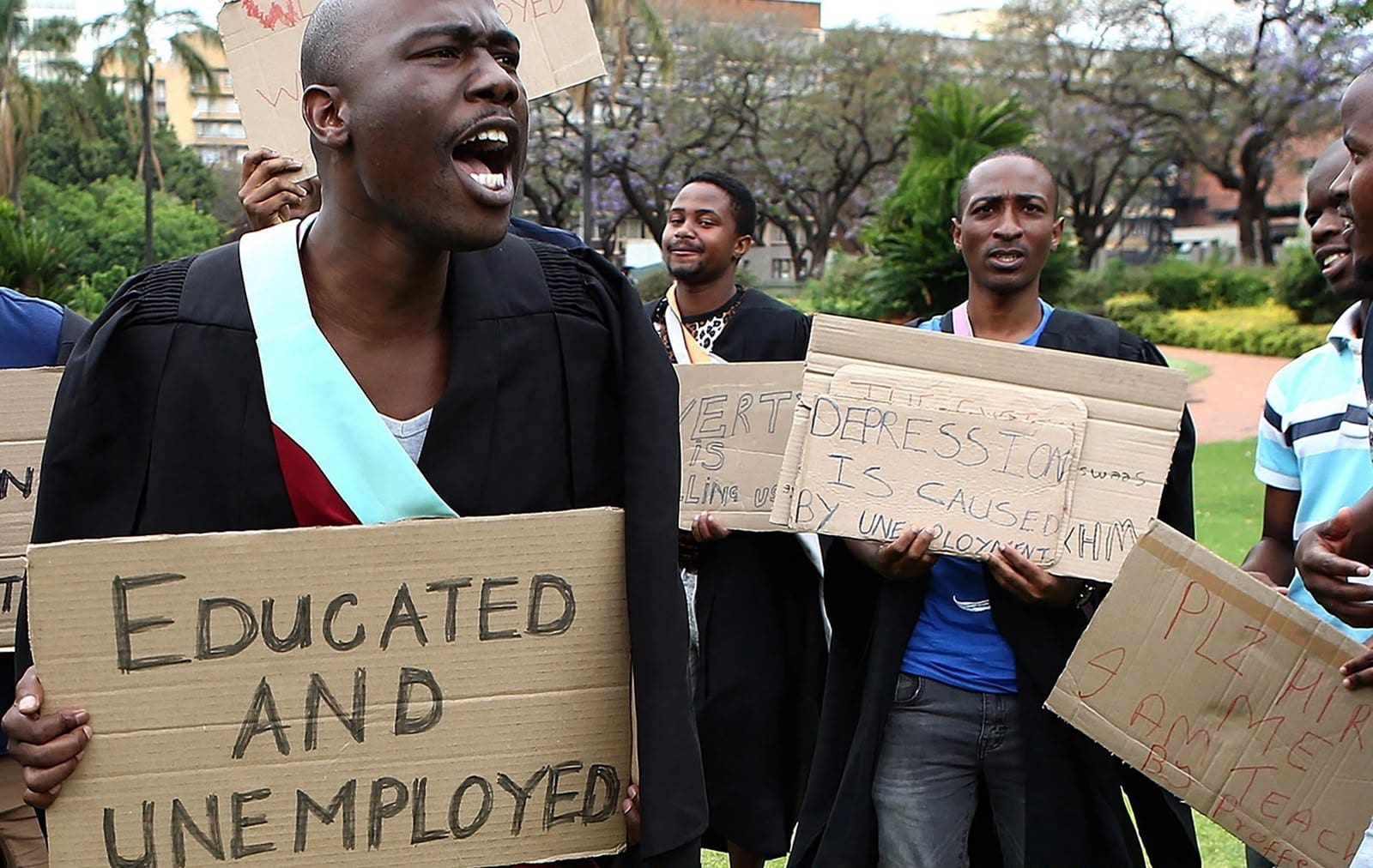
President Cyril Ramaphosa has approved salary increases of between 3.5% and 4% for public office-bearers for the 2026/27 financial year, as South Africa’s latest unemployment figures show a further increase in the national unemployment rate.
The salary adjustments, announced on Monday, 9 November, will apply retrospectively from 1 April 2026. Under the approved increases, members of the National Executive, including ministers, Members of Parliament, premiers, provincial MECs and Members of Provincial Legislatures, will receive a 3.5% salary increase. A 4% adjustment has been approved for Constitutional Court judges, other judges, magistrates, traditional leaders and members of independent constitutional institutions. The decision has attracted differing responses from organised labour.
The Public Servants Association (PSA) welcomed the 3.5% increase, saying it was broadly aligned with adjustments received by employees in the wider public service. However, the Congress of South African Trade Unions (Cosatu) criticised the increase for politicians, describing it as excessive amid the economic pressures facing ordinary South Africans. Cosatu also raised concerns about the allocation of public funds, arguing that more resources should be directed towards strengthening essential services and creating employment opportunities.
Meanwhile, Statistics South Africa’s latest Quarterly Labour Force Survey (QLFS), released on Tuesday, 10 November, shows that the country’s official unemployment rate increased from 33.6% in the second quarter to 33.7% in the third quarter of 2026. The survey recorded an increase of 101,000 employed people, bringing total employment to approximately 16.8 million. However, the number of unemployed people also increased by 97,000 to approximately 8.6 million.
Youth unemployment among people aged 15 to 34 decreased slightly to 47.3%, although approximately five million young people remained unemployed. The latest figures highlight the continued challenges facing South Africa’s labour market, particularly the difficulty of creating enough employment opportunities for a growing number of jobseekers.
While the salary adjustments and unemployment figures are separate government decisions and economic developments, their timing has renewed attention on public spending, economic inequality and the country’s ongoing employment crisis.



Leave a Reply