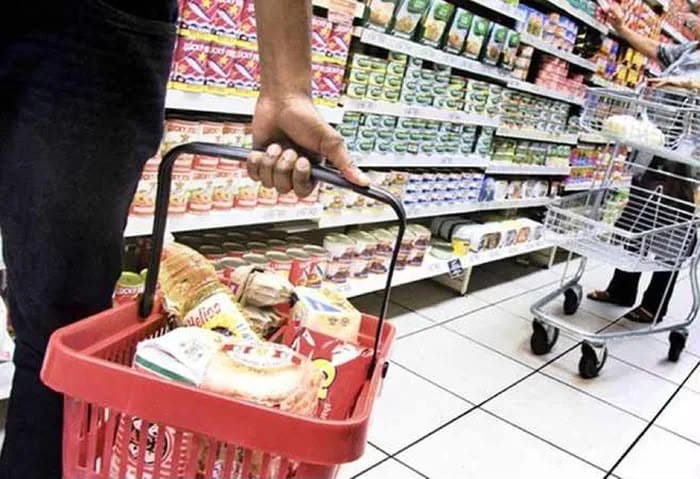
South African households are entering October under renewed pressure as the rising cost of fuel threatens to add another layer of expense to already stretched food budgets.The latest Household Affordability Index from the Pietermaritzburg Economic Justice and Dignity Group (PMBEJD) shows that the average household food basket cost R5,488.06 in September 2026. The basket increased by 0.2% between August and September and was 2% more expensive than a year earlier.
In September 2025, the national average stood at R5,379.42, meaning households are now paying about R108.64 more for the basket than they were a year ago. While the year-on-year increase may appear modest, the pressure becomes more significant when household income and other essential expenses are taken into account. South Africa is now facing a sharp increase in fuel prices, driven largely by higher international energy prices. Petrol prices are set to rise by as much as 12%, while wholesale diesel prices are also increasing significantly.For consumers, the impact does not stop at the petrol station.
Food moves through a long supply chain before reaching the supermarket shelf. Farmers, manufacturers, wholesalers, retailers and transport companies all rely on fuel, meaning higher diesel and petrol costs can eventually increase the cost of transporting and producing food. This could place additional pressure on food prices in the months ahead, particularly if businesses pass higher distribution and operating costs on to consumers. The South African Reserve Bank has already warned that higher fuel prices are likely to push headline inflation above 5% later this year. However, the bank noted that food inflation has so far remained relatively subdued, supported by strong harvests and more stable meat prices.
Some food prices are already moving differently Food inflation is not rising across every category at the same rate. In August, food and non-alcoholic beverage inflation increased to 1.1%, from 0.9% in July. Some products became noticeably more expensive, including hake, pork, ham, bacon and white bread. At the same time, certain staples such as rice and some beef products were cheaper than a year earlier. This means consumers may continue to see mixed movements on supermarket shelves rather than every food item increasing at the same pace.
But for low-income households, even relatively small increases can have a substantial impact. The PMBEJD estimates that a basic nutritious food basket for a family of seven cost R6,655.29 in September, about R1,167 more than the average household food basket. The organisation also found that, after transport and electricity costs, a worker earning the national minimum wage was left with only R1,799.19 in September for food and other household expenses. For households already struggling to balance groceries, transport, electricity and other necessities, the October fuel increase could therefore have a wider impact than simply making a trip to the filling station more expensive.
The immediate effect will be felt by motorists and transport operators, but higher fuel and diesel costs can gradually filter through the economy. The concern for consumers is that rising transport and distribution costs could eventually place renewed upward pressure on the price of goods, including food. For now, food inflation remains considerably more contained than fuel inflation. But with households already spending a large portion of their income on basic necessities, October’s fuel shock could make the cost of getting food from farms and factories to supermarket shelves another important pressure point to watch.
For South African consumers, the question is no longer only how much the weekly grocery bill costs — but how much more of their income will have to go towards keeping the household running.