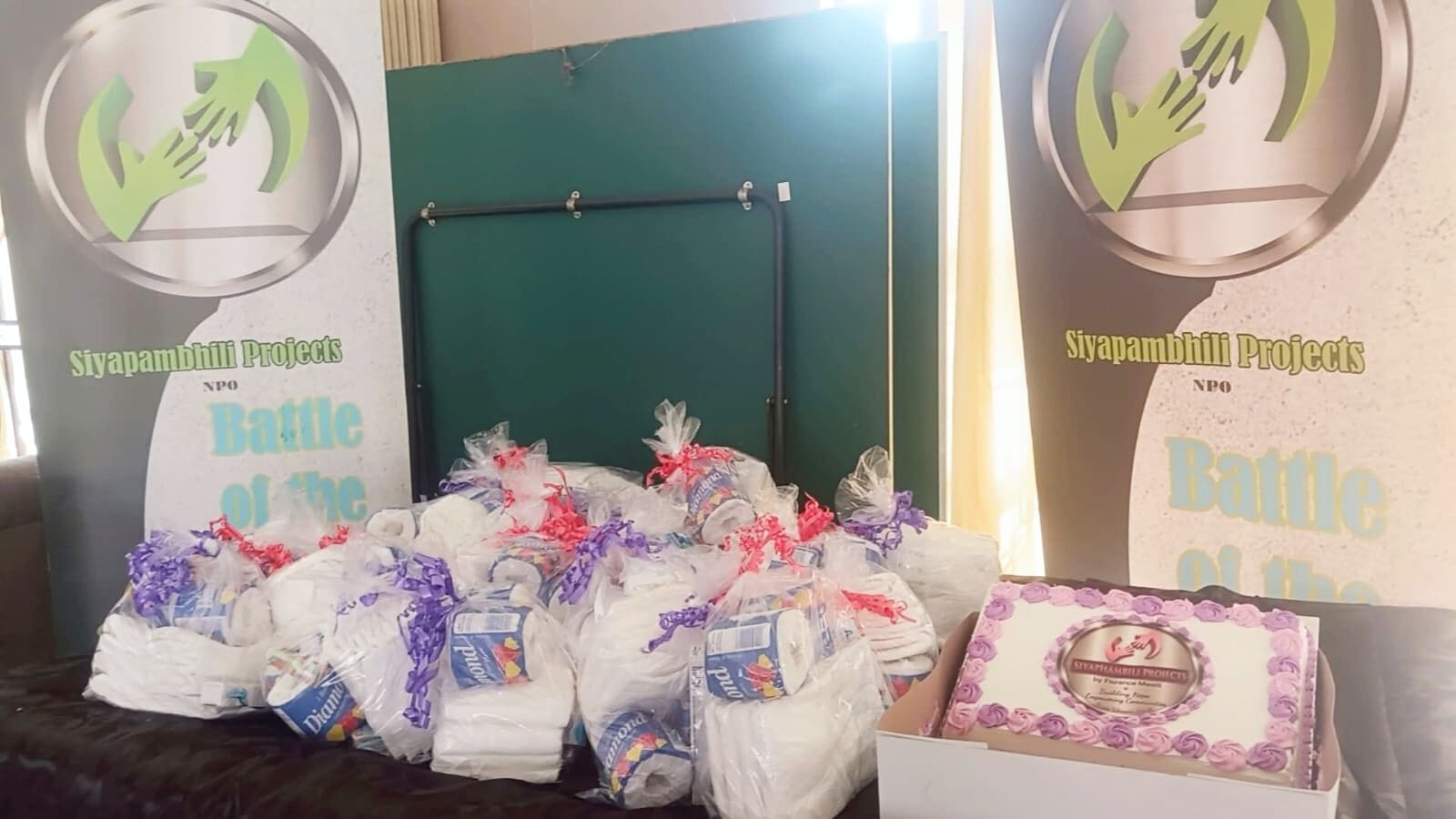
Siyaphambili Projects recently brought smiles and a sense of appreciation to residents of the Andries Meyer Old Age Home after hosting a luncheon and donating hampers to the elderly as part of its community outreach efforts. The initiative was aimed at spending meaningful time with the residents while showing appreciation for them and ensuring that they felt remembered, valued and cared for by the wider community.
The luncheon gave residents an opportunity to come together, enjoy a meal and interact with members of Siyaphambili Projects in a relaxed and welcoming environment. Alongside the meal, the organisation donated hampers to the elderly, providing them with practical items while adding another meaningful element to the day. The visit allowed the organisation to connect with the residents beyond simply handing over donations, with the focus placed on spending quality time together.
The event was coordinated by Ronia Alexander, Event Coordinator at Siyaphambili Projects, who played a role in bringing the luncheon together and ensuring that the programme created an enjoyable experience for the residents. Her involvement formed part of the team effort behind the outreach, with members of the organisation working together to make the occasion meaningful for those living at the home.
The initiative also reflected the vision of Florence Mwelli, Founder and Chairperson of Siyaphambili Projects, whose leadership continues to guide the organisation’s community-focused work. Through initiatives such as the luncheon and hamper donation, the organisation seeks to extend its support beyond its day-to-day activities and contribute towards communities through acts of kindness and service.
The gathering highlighted the importance of community involvement in supporting elderly people. While donations can provide valuable assistance, spending time with senior citizens and engaging with them can be equally meaningful, particularly for residents who may not always have regular opportunities to participate in community activities. The luncheon created a space for conversation, companionship and shared moments between the residents and visitors.
Rochelle Pillay, Head of PR and Marketing at Siyaphambili Projects, said the organisation wanted the visit to be about more than simply making a donation, but about creating a meaningful experience for the residents and making them feel valued. “It was important for us to spend time with the elderly at the Andries Meyer Old Age Home, share a meal with them and show them that they are valued and appreciated. The luncheon and hampers were our way of giving back and bringing some joy to the residents,” said Pillay.
The hampers formed an important part of the outreach, offering residents something practical while reinforcing the spirit of generosity behind the initiative. For Siyaphambili Projects, the contribution was an opportunity to combine material support with personal interaction, allowing members of the organisation to meet the people they were supporting and share the occasion with them.
The luncheon also served as a reminder of the role communities can play in ensuring that elderly residents remain connected and included. Community outreach programmes can provide opportunities for older people to interact with others, share experiences and enjoy activities outside their normal routines, while also encouraging organisations and individuals to recognise the needs and value of senior citizens.
For Siyaphambili Projects, the visit forms part of its commitment to giving back and contributing positively to the communities in which it operates. Under the leadership of Mwelli, and with the efforts of team members such as Alexander and Pillay, the organisation continues to use community initiatives as an opportunity to reach people and create meaningful experiences.
The involvement of the Siyaphambili Projects team also demonstrated how different roles within an organisation can come together to make a community initiative successful. From coordinating the event and managing the organisation’s public relations to providing leadership and overseeing the broader vision, each member contributed to ensuring that the elderly residents were at the centre of the day’s activities.
Pillay said initiatives of this nature are also about recognising the importance of human connection and ensuring that elderly people know that they have not been forgotten by the wider community. “Giving back is not only about providing donations; it is also about giving people our time, listening to them and making them feel seen. We wanted the residents to enjoy the day and know that the community cares about them,” she said.
The visit to Andries Meyer Old Age Home demonstrates how community initiatives can combine practical assistance with personal engagement. The luncheon provided residents with an opportunity to enjoy each other’s company, while the hampers gave them something tangible to take away from the occasion, making the outreach both social and practical.
The initiative further highlights the value of partnerships between organisations and community facilities in creating opportunities for elderly residents to receive support and participate in activities that promote togetherness. By visiting the home and spending time with the residents, Siyaphambili Projects was able to make the occasion personal rather than treating it as a simple donation handover.
For the residents who took part, the luncheon offered a chance to enjoy a meal in the company of others, engage with visitors and receive a thoughtful gesture from an organisation that had made an effort to spend the day with them. The hampers added to the occasion, while the time spent together helped create an atmosphere centred around appreciation, dignity and community.
Siyaphambili Projects’ contribution to the Andries Meyer Old Age Home ultimately reflected the importance of giving back in ways that address both practical needs and the value of human connection. Through the luncheon and hamper donations, the organisation created an opportunity to celebrate and appreciate the elderly while strengthening the relationship between community organisations and the people they serve.